Source odc waterproof armored patchcord for Communication, Medicine, and Sensor
Find 30 odc waterproof armored patchcord options from Shenzhen suppliers. Buyers can compare specifications like insertion loss, return loss, and cable diameter to select suitable solutions for communication, medicine, and sensor applications.
Key considerations
Products List


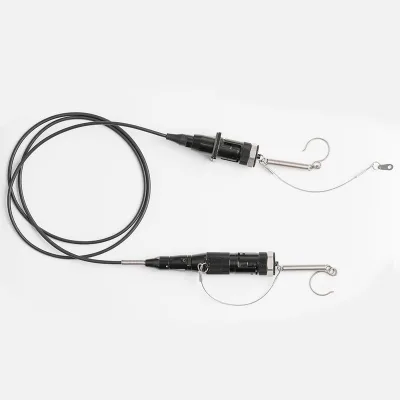
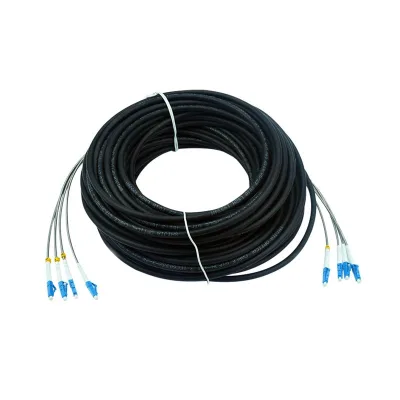


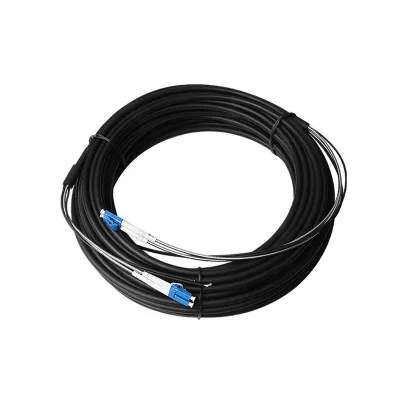
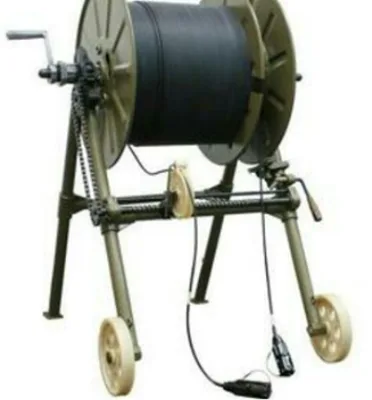


Comprehensive Sourcing Guide
Strategic Sourcing Guide for ODC Waterproof Armored Patchcords
Understanding Technical Specifications and Performance Metrics
When sourcing an ODC (Optical Distribution Cabinet) waterproof armored patchcord, the primary objective is to ensure signal integrity in harsh environments while maintaining mechanical robustness. The product landscape for these components is defined by specific fiber types and connector configurations that directly influence performance. Based on available market data, the core fiber type often utilized in these applications includes Single-mode fibers, specifically adhering to standards such as G652, G655, and G657. These standards are critical for ensuring low attenuation and high bending resistance, which are essential for outdoor installations where space constraints and environmental stressors are prevalent.
The connector structure plays a pivotal role in the installation process and long-term reliability. Common connection structures observed in this category include SC, LC, FC, and ST types. The end face types are equally significant, with PC (Physical Contact), UPC (Ultra Physical Contact), and APC (Angled Physical Contact) being the standard configurations. The choice between UPC and APC is not merely aesthetic; it dictates the return loss performance. For instance, APC connectors typically offer superior return loss values, often reaching up to 60 dB for single-mode applications, whereas UPC variants generally provide values around 50 dB. This distinction is vital for applications sensitive to back-reflections, such as high-speed data transmission or analog video signals.
Mechanical specifications define the durability of the armored patchcord. The cable diameter is a variable parameter that suppliers may offer in ranges such as 4.5mm to 8.0mm, or specific discrete sizes like 0.9mm, 2.0mm, 3.0mm, 5.0mm, and 7.0mm depending on the specific model and armor thickness. The outer sheath material is typically PVC, LSZH (Low Smoke Zero Halogen), or PU (Polyurethane), with LSZH being the preferred choice for indoor or confined spaces due to its safety profile during fire events. The armor itself provides protection against lateral pressure and tensile strength. Buyers should verify that the product can withstand lateral pressures ranging from 100 N/100mm to over 1000 N/100mm, and tensile strengths that can exceed 100N, with some high-performance variants capable of handling up to 1000N.
Compliance, Certification, and Regulatory Standards
Navigating the regulatory landscape is a non-negotiable aspect of B2B procurement for optical fiber components. The ODC waterproof armored patchcord must meet rigorous international standards to ensure safety and interoperability. A comprehensive compliance check should verify the presence of certifications such as RoHS (Restriction of Hazardous Substances), CE (Conformité Européenne), and ISO (International Organization for Standardization). These certifications indicate that the product adheres to environmental safety guidelines and quality management systems.
In addition to the general certifications, specific regional requirements may apply. For instance, products intended for the North American market often require UL (Underwriters Laboratories) certification, while those for the European market must strictly comply with CE marking. In markets like China, the CCC (China Compulsory Certification) may be a mandatory requirement. The supply chain should also be scrutinized for VDE (Verband der Elektrotechnik) compliance if the equipment is being deployed in Germany or other European regions with strict electrical safety standards.
The environmental operating conditions are another critical compliance factor. The patchcord must be rated for specific temperature ranges to function reliably in outdoor ODCs. Standard operating temperatures typically range from -20°C to +70°C, with some high-performance models extending this range to -40°C to +80°C. Storage temperatures may vary slightly, often cited between -40°C and +70°C or +80°C. Buyers must verify that the specific model selected matches the environmental profile of the deployment site. Furthermore, the protection class rating is essential for waterproof claims. An IP67 rating is a common benchmark for waterproof armored patchcords, indicating complete protection against dust and temporary immersion in water, which is crucial for outdoor applications where the cable may be exposed to rain or flooding.
Cost Drivers and Pricing Dynamics
The pricing structure for ODC waterproof armored patchcords is influenced by a complex interplay of material costs, customization requirements, and order volume. The observed market price range for these products is extensive, spanning from $0.05 to $202.86 per unit. This wide variance is not indicative of quality differences alone but reflects the diversity in specifications, such as fiber type, connector quality, cable diameter, and armor material.
Material composition is a primary cost driver. The choice between PVC, LSZH, and PU for the outer sheath significantly impacts the unit price. LSZH materials, while safer and more environmentally friendly, are generally more expensive than standard PVC. Similarly, the type of armor used—whether it is a steel wire braid or a corrugated steel tape—affects the cost. The connector type also plays a role; APC connectors are typically more expensive than PC or UPC connectors due to the precision polishing required to achieve the angled end face.
Customization is another significant factor in pricing. While standard configurations are available, many suppliers offer customization services for cable length, color, and connector types. Customized orders often incur higher unit costs due to the setup and production adjustments required. The Minimum Order Quantity (MOQ) also influences the effective cost per unit. The market shows an MOQ range from 1 to 10,000 units. Buyers purchasing small quantities may face higher per-unit costs, whereas bulk orders can leverage economies of scale to reduce the price significantly.
Lead time is a hidden cost driver that affects procurement planning. Standard delivery times typically range from 5 to 15 working days. However, customized orders or those requiring specific certifications may extend this timeline. Buyers must factor in these lead times when calculating the total cost of ownership, as delays can impact project schedules and necessitate expedited shipping fees.
Typical Applications and Deployment Scenarios
The versatility of ODC waterproof armored patchcords makes them suitable for a wide array of applications beyond simple telecommunications. The primary application domain is communication infrastructure, where these cables serve as the critical link between optical distribution frames and end-user equipment. In outdoor environments, the armored design protects the fiber from rodent damage, soil pressure, and physical abrasion, making them ideal for direct burial or aerial installations.
Beyond standard communication, these patchcords are increasingly utilized in the medical and sensor industries. The robust construction and high reliability of armored patchcords make them suitable for environments where signal integrity is paramount and physical disturbances are common. For example, in medical imaging equipment, the low insertion loss and high return loss of these cables ensure clear signal transmission. In sensor applications, the ability to withstand harsh environmental conditions allows for reliable data collection in industrial settings.
The "Art" application mentioned in some product listings suggests niche uses in interactive installations or large-scale displays where aesthetic durability and signal stability are required. The waterproof nature of these cables, often rated IP67, allows them to be used in outdoor art installations or public displays exposed to the elements. The ability to customize the cable length and connector type further expands their utility, allowing integrators to design bespoke solutions for complex deployment scenarios.
Supplier Evaluation and Selection Criteria
Selecting the right supplier for ODC waterproof armored patchcords requires a thorough evaluation of their capabilities, reputation, and operational standards. Buyers should prioritize suppliers who demonstrate transparency in their product attributes and provide clear documentation regarding certifications and testing results. The origin of the product is a key indicator of manufacturing quality; many reputable suppliers are located in manufacturing hubs such as Shenzhen, China, which is known for its advanced optical fiber production capabilities.
When evaluating suppliers, buyers should look for those offering customization options. The ability to tailor the cable diameter, sheath material, and connector type indicates a flexible manufacturing process capable of meeting specific project requirements. Additionally, the supplier's response time and willingness to provide samples are critical indicators of their commitment to customer service.
Quality control processes should be a central part of the supplier evaluation. Buyers should inquire about the supplier's internal testing protocols, including checks for insertion loss, return loss, and mechanical strength. A supplier that can provide test results for their products demonstrates a commitment to quality and reduces the risk of receiving substandard goods. Furthermore, the supplier's ability to meet delivery timelines and handle logistics efficiently is essential for maintaining project schedules.
Quality Control and Long-Term Procurement Considerations
Ensuring the long-term reliability of ODC waterproof armored patchcords requires a proactive approach to quality control and procurement planning. One of the key metrics to monitor is the insertion loss, which should ideally be less than 0.3 dB. High insertion loss can lead to signal degradation and reduced network performance. Similarly, return loss is a critical parameter; values should be maintained above 50 dB for UPC connectors and up to 60 dB for APC connectors to minimize signal reflection.
Durability and repeatability are also essential factors. The product should be tested for its ability to withstand repeated mating cycles, with a typical rating of 50 mating cycles. The interchangeability and repeatability of the connectors should be within acceptable limits, typically around 0.1 to 0.2 dB, to ensure consistent performance over time.
For long-term procurement, buyers should consider the storage and operating conditions of the patchcords. The storage temperature range of -40°C to +80°C and the operating temperature range of -20°C to +70°C (or wider) should be verified to ensure the product can withstand the environmental conditions of the deployment site. The packing method, such as zip-lock bags or customized packaging, should also be evaluated to ensure the product remains protected during transit and storage.
Finally, buyers should establish a relationship with suppliers who offer reliable after-sales support and warranty services. This ensures that any issues that arise during the product's lifecycle can be addressed promptly, minimizing downtime and maintaining the integrity of the optical network. By focusing on these quality control measures and long-term considerations, buyers can secure a supply chain that delivers high-performance, reliable ODC waterproof armored patchcords for their specific needs.
Comparative Analysis of Key Product Attributes
To facilitate informed decision-making, the following table summarizes the key attributes of ODC waterproof armored patchcords based on the observed market data. This comparison highlights the variability in specifications and helps buyers identify the features most relevant to their specific requirements.
| Attribute | Typical Range / Options | Significance for Procurement |
|---|---|---|
| Fiber Type | Single-mode (G652, G655, G657) | Determines bandwidth and distance capabilities; G657 offers better bending resistance. |
| Connector Type | LC, SC, FC, ST, etc. | Must match existing infrastructure; LC is common for high-density applications. |
| End Face Type | PC, UPC, APC | APC offers superior return loss (up to 60 dB); crucial for high-signal integrity needs. |
| Cable Diameter | 0.9mm to 8.0mm (e.g., 4.5-8.0mm) | Affects flexibility and installation space; larger diameters often imply heavier armor. |
| Outer Sheath | PVC, LSZH, PU | LSZH is preferred for safety; PU offers high abrasion resistance. |
| Protection Rating | IP67 | Essential for outdoor/waterproof applications; ensures dust and water ingress protection. |
| Operating Temp | -20°C to +70°C (up to -40°C to +80°C) | Must match local climate conditions to prevent material degradation. |
| Insertion Loss | < 0.3 dB | Lower loss ensures better signal transmission over distance. |
| Return Loss | > 50 dB (UPC), > 60 dB (APC) | Higher values reduce signal reflection and improve network stability. |
| Certifications | RoHS, CE, ISO, UL, VDE, CCC | Mandatory for regulatory compliance in target markets. |
| MOQ | 1 to 10,000 units | Influences unit cost and inventory management strategy. |
| Lead Time | 5-15 Working Days | Impacts project scheduling and supply chain resilience. |
By carefully analyzing these attributes and understanding the underlying technical and regulatory requirements, buyers can make strategic decisions that align with their project goals and budget constraints. The ODC waterproof armored patchcord is a critical component in modern optical networks, and selecting the right product requires a balanced approach that considers performance, compliance, cost, and long-term reliability.
FAQs
What certifications do odc waterproof armored patchcords typically have?
These patchcords commonly hold RoHS, CE, ISO, UL, VDE, and CCC certifications. Buyers should verify specific documents for their target region, as some markets like China require CCC while Europe mandates CE and Germany often requires VDE compliance.
Which fiber types are available for odc waterproof armored patchcords?
Single-mode fibers like G652, G655, and G657 are standard, though multimode options exist. The choice depends on the application, with single-mode preferred for long-distance communication and high bending resistance in outdoor ODC installations.
How does the connector type affect return loss performance?
APC connectors provide superior return loss up to 60 dB, while UPC variants offer around 50 dB. PC connectors generally yield lower values around 35 dB. Selecting the correct end face type is critical for minimizing signal reflection in sensitive applications.
Can odc waterproof armored patchcords be customized for length and material?
Yes, customization is available for cable length, outer sheath material, and connector types. Suppliers offer lengths like 1m, 3m, or 5m, and sheath materials include PVC, LSZH, or PU, allowing buyers to tailor products to specific project requirements.
What is the typical lead time for odc waterproof armored patchcord orders?
Standard delivery times range from 5 to 15 working days. Customized orders or those requiring specific certifications may extend this timeline, so buyers should factor in these durations when planning their procurement schedules and project deadlines.
What operating temperature range do these patchcords support?
Standard models operate between -20°C and +70°C, while high-performance variants support -40°C to +80°C. Storage temperatures typically range from -40°C to +70°C or +80°C, ensuring reliability in harsh outdoor environments and varying climate conditions.
Which mechanical strengths are required for armored patchcords?
These cables must withstand lateral pressures from 100 to over 1000 N/100mm and tensile strengths exceeding 100N. Some high-performance models handle up to 1000N, ensuring durability against physical stress, rodent damage, and soil pressure in direct burial applications.